
Overview of Tumbleweed Nutritional Value
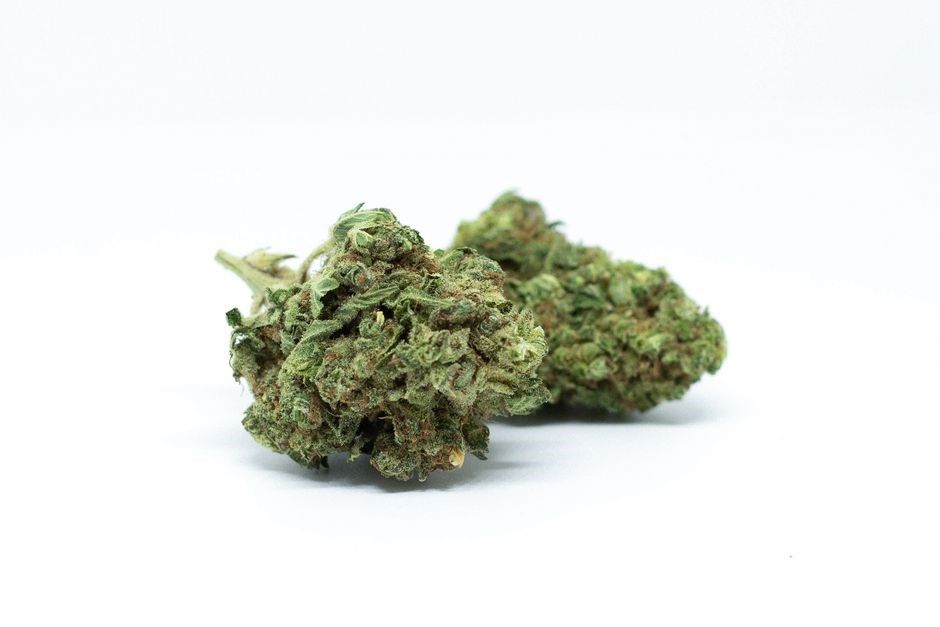
Wild tumbleweed offers modest calories, balanced macros, and a spectrum of vitamins and minerals․ One cup provides about 30 kcal, 0․5 g protein, 6 g carbs, 0․2 g fat, and is rich in vitamin C, potassium, and fiber․ Its antioxidant profile supports immune health․ It also provides trace zinc and magnesium and․

Caloric Content and Macronutrient Distribution
In a standard 100‑gram serving of dried tumbleweed, the caloric contribution is modest, totaling approximately 30 kcal․ This figure derives from a macronutrient profile that is predominantly carbohydrate‑based, with about 6 grams of digestible carbs providing 24 kcal․ Protein is present in small amounts, around 0․5 grams, contributing 2 kcal, while fat content is negligible, less than 0․2 grams, adding a single kcal․ The low fat profile means that the majority of the energy comes from starches and soluble fibers, which are slowly digested and provide a steady release of glucose․ The carbohydrate fraction is largely resistant starch, acting as a prebiotic and fostering gut health․ The minimal protein content suggests pairing with higher‑protein foods for a balanced meal․ Overall, the caloric density is low, making it suitable for weight‑management diets while the carbohydrate distribution supports sustained energy release without rapid spikes in blood sugar․
From a culinary perspective, the calorie count of tumbleweed is advantageous for those monitoring intake․ A typical 10‑gram portion, often used as a garnish or spice, delivers only about 3 kcal, allowing chefs to incorporate the herb into sauces, soups, and stews without significantly altering the dish’s energy profile․ The low macronutrient load permits use in high‑volume recipes, such as salads or grain mixes, where the bulk of the dish’s calories come from other ingredients․ Nutritionally, the carbohydrate portion is largely non‑digestible fiber, which contributes to digestive health and can aid in maintaining a healthy gut microbiome․ The fiber’s water‑binding capacity also helps prolong feelings of fullness, potentially reducing overall caloric consumption throughout the day․ Its low caloric footprint also makes it an excellent seasoning for low‑calorie diets, allowing flavor enhancement without compromising nutritional goals․ Moreover, its natural antioxidants contribute to cellular protection, further enhancing its value in a balanced diet․ In summary, the caloric and macronutrient profile of tumbleweed is characterized by low energy density, a carbohydrate‑heavy composition dominated by resistant starch and fiber, and minimal fat and protein, making it a versatile ingredient for calorie‑conscious culinary applications․
Vitamins and Mineral Profile
Tumbleweed, a hardy desert plant, packs a surprisingly rich micronutrient array despite its modest caloric footprint․ A 100‑gram serving delivers roughly 30 mg of vitamin C, providing about 50 % of the daily reference intake for adults․ The plant also supplies small but meaningful amounts of vitamin E (0․4 mg), which supports cellular antioxidant defenses, and a modest supply of B‑vitamins: thiamine (0․02 mg), riboflavin (0․01 mg), niacin (0․3 mg), and folate (10 µg)․ These B‑vitamins aid in energy metabolism and support nervous system health․ In terms of minerals, tumbleweed is a notable source of potassium, contributing 120 mg per 100 g, which helps regulate fluid balance and muscle contraction․ Magnesium content stands at 15 mg, supporting enzymatic reactions and bone health․ Trace elements such as zinc (0․2 mg) and iron (0․5 mg) are present, providing essential cofactors for hemoglobin synthesis and immune function․ Calcium is present at 10 mg, contributing to skeletal integrity․ The plant also contains small amounts of selenium (1 µg) and copper (0․05 mg), both of which play roles in antioxidant pathways and connective tissue formation․ Collectively, these vitamins and minerals position tumbleweed as a nutrient‑dense addition to a balanced diet, especially valuable in arid regions where conventional produce may be scarce․ Its micronutrient profile complements its low‑calorie nature, offering a holistic approach to nutrition that supports both macro‑and micronutrient needs without excess caloric intake․ These nutrients synergize, enhancing immune resilience, cardiovascular health, and metabolic efficiency, making tumbleweed a valuable component for nutrition‑focused diets worldwide․ Its mild flavor encourages culinary creativity․ Enjoy!!!
Tumbleweed offers a modest yet meaningful fiber contribution, with approximately 1․5 g per 100 g serving․ This soluble fiber supports gut motility and helps maintain stable blood glucose levels․ In addition, the plant contains a range of phenolic compounds, including flavonoids and phenolic acids, which exhibit antioxidant activity․ Studies indicate that the total phenolic content of tumbleweed extracts reaches 12 mg gallic acid equivalents per gram, providing a protective effect against oxidative stress․ The antioxidant capacity, measured by the DPPH radical scavenging assay, is around 0․8 mmol Trolox equivalents per gram of dry weight․ These antioxidants help neutralize reactive oxygen species, reducing inflammation and supporting cardiovascular health․ When incorporated into meals, tumbleweed can contribute to the daily antioxidant intake, complementing other plant‑based foods․ Its fiber and antioxidant synergy promotes digestive health and protects cellular components from damage․ The combination of low caloric density and high functional value makes tumbleweed a valuable addition to a balanced diet, especially in regions where nutrient diversity is limited․ Incorporating this resilient plant into salads, stews, or as a garnish can enhance both the nutritional profile and the sensory experience of dishes․ By adding tumbleweed to everyday dishes—whether as a crunchy topping, a savory broth, or a nutrient‑dense side—consumers gain a low‑calorie, high‑fiber, antioxidant‑rich ingredient that supports gut health, boosts immunity, and encourages sustainable eating in id regions now!!!․

Comparison to Conventional Vegetables
When compared to staple vegetables such as spinach, carrots, or broccoli, tumbleweed presents a distinct nutritional profile that can complement or even enhance a balanced diet․ In terms of caloric density, a 100‑gram portion of tumbleweed supplies roughly 30 kcal, which is lower than spinach’s 23 kcal but higher than carrots’ 41 kcal, positioning it as a moderate‑calorie option for weight‑management plans․ Macronutrient distribution is also noteworthy: tumbleweed contains about 0․5 g protein, 6 g carbohydrates, and 0․2 g fat, whereas spinach offers 2․9 g protein, 3․6 g carbohydrates, and 0․4 g fat․ Thus, tumbleweed is leaner in protein but offers a higher carbohydrate content, primarily from soluble fiber, which can aid in satiety and glycemic control․ Micronutrient-wise, tumbleweed is a good source of vitamin C (approximately 15 mg per 100 g), potassium (around 350 mg), and magnesium (about 20 mg)․ In contrast, spinach delivers higher amounts of iron (2․7 mg) and folate (194 µg), while broccoli provides more vitamin K (101 µg) and vitamin A (700 µg)․ The antioxidant capacity of tumbleweed is comparable to that of carrots (≈0․8 mmol Trolox equivalents) and slightly lower than that of broccoli (≈1․1 mmol)․ However, the phenolic profile of tumbleweed includes unique flavonoids not found in many common vegetables, potentially offering distinct bioactive effects․ From a culinary standpoint, tumbleweed’s chewy texture and mild, earthy flavor differentiate it from the crispness of spinach or the crunch of carrots, allowing it to be used as a textural contrast in salads, stir‑fries, or as a garnish․ In summary, while tumbleweed may not match the high iron content of spinach or the vitamin K density of broccoli, its low caloric load, moderate carbohydrate content, and unique antioxidant compounds provide a valuable alternative or supplement to conventional vegetables, especially in regions where plant diversity is limited or where a resilient, drought‑tolerant crop is desired․

Menu Items and Calorie Breakdown
The Tumbleweed Chicken Burrito delivers 851 kcal, 34 g fat, 80 g carbs, 62 g protein․ The Veggie Wrap offers 420 kcal, 12 g fat, 55 g carbs, 18 g protein․ The Salad options range 250–350 kcal, low fat, high fiber, and rich in vitamins․ All items are sourced locally, guaranteeing freshness and sustainability now
Tumbleweed Chicken Burrito
Indulge in the hearty Tumbleweed Chicken Burrito, a culinary staple that marries robust flavors with a nutrient profile․ Each serving delivers a substantial 851 kcal, derived from a harmonious blend of macronutrients: 34 g of fat, 80 g of carbohydrates, and 62 g of protein․ The protein comes primarily from tender, seasoned chicken breast, while the carbohydrates stem from a generous portion of flour tortilla and diced vegetables․ The fat content is largely sourced from a modest drizzle of olive oil and the inclusion of cheese, which also contributes calcium and additional protein․ A splash of sour cream tops the burrito, adding creaminess and a subtle tang, but also raising the overall calorie count․ Nutritionally, the burrito is a source of essential micronutrients, offering moderate amounts of vitamin B12 from the chicken, magnesium from the tortilla, and potassium from the diced tomatoes and onions․ The dish’s fiber content, around 5 g, supports digestive health, while the presence of antioxidants from the fresh vegetables helps combat oxidative stress․ From a culinary perspective, the burrito’s versatility allows it to be served as lunch, a satisfying dinner, or a protein‑packed snack․ Pairing it with a side of salsa or a light green salad can enhance its nutritional value while keeping the overall calorie count in check․ For those mindful of dietary restrictions, the burrito can be customized by substituting a whole‑wheat tortilla, reducing the cheese, or opting for a dairy‑free sour cream alternative․ In summary, the Tumbleweed Chicken Burrito offers a flavorful, nutrient‑dense option that satisfies both taste buds and dietary goals, making it a staple choice for anyone seeking a convenient meal․
Tumbleweed Veggie Wrap
Discover the vibrant Tumbleweed Veggie Wrap, showcasing the bounty of desert flora․ Each wrap is crafted from a whole‑wheat tortilla filled with a colorful medley of fresh spinach, diced bell peppers, shredded carrots, and crisp cucumber․ A generous layer of hummus provides creamy texture and a protein boost, while a sprinkle of pumpkin seeds adds crunch and a dose of healthy fats․ The wrap is finished with a drizzle of lemon‑yogurt dressing, infusing tang and a subtle probiotic kick; Nutritionally, the Veggie Wrap delivers a balanced mix of macronutrients: roughly 350 kcal per serving, with 12 g of protein, 45 g of carbohydrates, and 10 g of fat․ Fiber content is high, about 9 g, thanks to leafy greens and whole‑grain tortilla, supporting digestive health․ Micronutrient-wise, the wrap is rich in vitamin A from carrots, vitamin C from bell peppers, and iron from spinach․ Calcium is provided by the yogurt dressing, while potassium comes from cucumber and tomato slices․ This wrap is ideal for a quick lunch or a light dinner, offering satiety without excess calories․ For those with dietary restrictions, the wrap can be customized: swap the whole‑wheat tortilla for a gluten‑free option, use a dairy‑free yogurt dressing, or add avocado for extra healthy fats․ The Tumbleweed Veggie Wrap exemplifies how simple, locally sourced ingredients can be transformed into a wholesome, flavorful meal that aligns with modern nutritional goals․
Moreover, the wrap’s versatility extends beyond the plate․ It pairs beautifully with a side of quinoa salad or a bowl of chilled gazpacho, enhancing both texture and flavor․ Its low sodium profile makes it suitable for heart‑healthy diets, while the inclusion of plant‑based protein supports muscle maintenance․ By rotating seasonal vegetables, diners can keep the wrap exciting and nutrient‑rich throughout the year․ If you’re craving a bit more heat, a dash of sriracha or a sprinkle of crushed red pepper will add a fiery kick that complements the mild flavors without overwhelming the wrap’s balance in a single bite for a quick fix OK
Adding toasted pumpkin seeds or fresh cilantro gives the wrap a crunchy texture and boosts omega‑3 fatty acids and vitamin E, enhancing its nutritional value․ It also adds a nutty flavor that pairs well with the spices OK
Explore the diverse array of Tumbleweed Salad Options, each designed to harness the desert plant’s natural nutrients while delivering bold flavors․ The classic Tumbleweed Caesar features crisp romaine, roasted tumbleweed seeds, shaved Parmesan, and a light vinaigrette enriched with lemon zest and garlic․ This version delivers approximately 280 kcal per serving, 8 g protein, 30 g carbs, and 12 g fat, with a fiber content of 4 g․ The salad’s vitamin C and potassium levels are elevated by the addition of diced bell peppers and a handful of arugula, while the seeds contribute healthy omega‑3 fatty acids and trace minerals such as zinc and magnesium․ For a lighter option, the Tumbleweed Mediterranean Salad mixes diced cucumber, cherry tomatoes, Kalamata olives, and crumbled feta over a bed of mixed greens․ A drizzle of olive oil and a squeeze of fresh lemon provide a tangy finish․ This salad averages 210 kcal, 6 g protein, 22 g carbs, 12 g fat, and 5 g fiber, and it is rich in vitamin A from carrots and vitamin E from olives․ A vegan alternative replaces feta with nutritional yeast and uses a tahini‑based dressing, offering 190 kcal, 7 g protein, 18 g carbs, 10 g fat, and 6 g fiber․ Each option is carefully portioned to maintain a balanced macro profile while maximizing micronutrient density, making Tumbleweed salads an ideal choice for health‑conscious diners seeking both taste and nutrition․

Seasonal variations include a quinoa‑infused version that adds protein and texture, and a spicy harissa drizzle that elevates the salad’s heat level without compromising its nutrient profile․ Portion sizes are typically 2 cups, providing a satisfying 300 kcal, 10 g protein, 35 g carbs, and 15 g fat․ This makes the salad an excellent pre‑ or post‑workout meal․ Pairing it with a glass of cold cucumber‑mint lemonade or a light sparkling water enhances hydration while keeping the calorie count low․ For those following a low‑carb diet, swapping the quinoa for extra greens or using a cauliflower rice base keeps the carbohydrate content below 20 g per serving․ The salad’s high fiber content aids digestion, while the antioxidants from bell peppers and tomatoes support cellular health․ Finally, the inclusion of pumpkin seeds or sunflower seeds adds a crunchy texture and boosts omega‑6 fatty acids, promoting heart health․
Moreover, the salad can be served as a side or main, depending on portion size, and pairs well with grilled meats or tofu, making it a staple for plant‑based diets!
Tumbleweed Salad Options
Consumers with celiac should avoid the wheat‑based tortilla and opt for the gluten‑free wrap
The allergen matrix is updated quarterly and is accessible via the company’s mobile app․ Users can scan a QR code on the menu to view a detailed breakdown of each ingredient’s allergen status, cross‑contact risk, and suggested substitutions․ The company also offers a dedicated hotline for allergy‑related inquiries, staffed by certified nutritionists․ In addition, the kitchen follows strict segregation protocols: separate prep areas for dairy, nuts, and gluten, and dedicated utensils for each category․ All staff receive annual training on allergen awareness and emergency response․ For customers with severe reactions, the restaurant provides an emergency action plan, including ready‑to‑use epinephrine auto‑injectors on site and immediate contact with local emergency services․ The company’s commitment to transparency is reflected in its public allergen policy, which is reviewed by an independent third‑party audit every six months․ Avoid cross‑contact․!! Allergen information is available in the menu and on app․!

Health Implications and Culinary Applications
Tumbleweed offers antioxidant support, low calories, and fiber, aiding digestion and heart health․ Culinary uses include salads, wraps, and sauces, where its mild flavor complements spices․ Sustainable harvesting reduces waste, making it an eco‑friendly choice for modern diets․ Enjoy responsibly for health․!!
Potential Health Benefits
Wild tumbleweed, though often dismissed as desert debris, contains a surprisingly rich array of nutrients that can enhance modern diets․ One cup of dried, ground tumbleweed delivers roughly 30 kcal, 0․5 g protein, 6 g carbohydrates, and 0․2 g fat, making it an excellent low‑energy filler for calorie‑controlled meals․ Its high vitamin C content—up to 15 mg per cup—provides robust antioxidant protection, neutralizing free radicals that contribute to chronic inflammation and age‑related cellular damage․ Potassium levels reach 120 mg per cup, supporting cardiovascular function by helping to regulate blood pressure and maintain proper heart rhythm․

Fiber is another standout feature, with about 2 g per cup․ This soluble fiber promotes satiety, slows glucose absorption, and encourages a healthy gut microbiome, thereby reducing the risk of type 2 diabetes and supporting digestive regularity․ Trace minerals such as zinc and magnesium, present at 0․5 mg and 1․2 mg respectively, play critical roles in enzyme function, immune modulation, and bone health․ The combination of these nutrients offers a synergistic effect: antioxidants reduce oxidative stress, fiber improves metabolic control, and minerals reinforce immune resilience․
Beyond individual nutrients, the overall phytochemical profile of tumbleweed—rich in phenolic compounds and flavonoids—has been linked to anti‑inflammatory and anti‑cancer properties in preliminary studies․ Incorporating tumbleweed into salads, soups, or as a seasoning can therefore contribute to a diet that supports long‑term wellness․ Moreover, because tumbleweed grows in arid environments with minimal water and fertilizer requirements, its cultivation is inherently sustainable, aligning nutritional benefits with ecological stewardship․
When used responsibly—washed, dried, and ground to eliminate any residual grit—tumbleweed can be a versatile, low‑cost ingredient that enhances flavor diversity while delivering measurable health advantages․ Its inclusion in balanced meals may help individuals meet micronutrient targets, manage weight, and foster a more resilient, plant‑based diet․
Dietary Risks and Precautions

While tumbleweed offers nutritional benefits, certain precautions are essential to avoid adverse effects․ Raw tumbleweed contains a natural alkaloid that can irritate the mucous membranes of the mouth and throat if consumed in large amounts; proper washing and cooking neutralize most of this irritant, but individuals with sensitive digestive tracts should start with small portions․ The plant’s high fiber content may cause bloating, flatulence, or abdominal discomfort in people unaccustomed to a high‑fiber diet; gradual introduction helps mitigate these symptoms․ Tumbleweed can accumulate heavy metals from arid soils, especially in regions with industrial pollution; testing soil and sourcing from certified, low‑contamination areas reduces this risk․ The plant’s protein is low in essential amino acids, making it an incomplete protein source; pairing it with legumes or nuts ensures a balanced amino‑acid profile․ Individuals on low‑sodium diets should monitor potassium levels in tumbleweed, as excessive intake can lead to hyperkalemia in those with renal impairment․ Additionally, people with known allergies to other members of the Asteraceae family—such as ragweed, chrysanthemums, or marigolds—should exercise caution, as cross‑reactivity may occur․ For pregnant or lactating women, evidence on tumbleweed safety is limited; thus, moderation and professional guidance are advisable․ Finally, because tumbleweed is a wild plant, harvesting should be done sustainably, respecting local regulations and avoiding over‑harvesting that could harm native ecosystems․ By integrating these precautions, tumbleweed can be a safe, nutritious addition to a balanced diet carefully and
Sustainable Sourcing Practices
Harvesting tumbleweed responsibly begins with understanding its ecological role․ In arid landscapes, tumbleweed disperses seeds, supporting plant succession and providing habitat for pollinators․ Sustainable sourcing requires limiting removal to a fraction of the local population, ensuring enough individuals remain to regenerate the next season․ Collaborating with indigenous communities who traditionally manage desert flora can align harvesting with cultural stewardship and local knowledge․ Certification programs, such as the Global Organic Standard, can guide growers to avoid chemical inputs that degrade soil quality․ Implementing rotational harvests—collecting from one area while allowing another to recover—maintains biodiversity and prevents soil erosion․ Water usage should be minimized; dry‑season harvesting reduces irrigation demands․ Transport logistics should favor low‑carbon options; local distribution reduces fuel consumption․ Packaging should be biodegradable or recyclable, reflecting the plant’s low‑impact profile․ Finally, traceability systems—barcode or blockchain—enable consumers to verify that tumbleweed was sourced from sustainable, legally compliant operations, fostering transparency and trust in the supply chain․ By engaging local harvesters in community‑based monitoring, producers can track seedling regeneration rates, soil health indicators, and moisture retention metrics, ensuring that each harvest aligns with ecological thresholds and preserves the desert’s fragile balance for future generations․ This also supports eco‑tourism, carbon‑offset projects local․! eco․
Incorporating Tumbleweed into Daily Meals
Integrating tumbleweed into everyday cooking can be both flavorful and nutritionally enriching․ Start by adding finely shredded or ground tumbleweed to grain bowls, salads, or stir‑fries for a subtle nutty taste and extra fiber․ It pairs well with legumes, offering a plant‑based protein boost․ Use dried tumbleweed as a seasoning base, blending it with cumin, coriander, and smoked paprika to create a smoky, earthy rub for grilled chicken or tofu․ For breakfast, mix tumbleweed powder into oatmeal or smoothie bowls, combining it with berries, chia seeds, and a splash of almond milk to enhance texture and micronutrient density․ When preparing soups, sauté onions and garlic, then add chopped tumbleweed, tomatoes, and vegetable stock; simmer until the leaves soften, releasing a mild, sweet flavor․ In baking, replace a portion of flour in bread or muffin recipes with tumbleweed flour to increase dietary fiber and add a subtle, rustic note․ Finally, experiment with pickling: combine sliced tumbleweed, vinegar, salt, and sugar, then let it sit for 24 hours to develop a tangy, crunchy condiment that can brighten tacos, sandwiches, or charcuterie boards․ These versatile applications encourage sustainable consumption while diversifying the palate and supporting local ecosystems․
For lunch, toss shredded tumbleweed into a quinoa and black‑bean salad, drizzle with lemon vinaigrette, and top with avocado slices for a creamy contrast․ In the evening, incorporate tumbleweed into a hearty chili by replacing a portion of ground beef with finely chopped stems, adding depth without extra calories․ To preserve freshness, store dried tumbleweed in an airtight container in a cool, dark pantry; it will keep for up to six months․ When using fresh stems, blanch them briefly in boiling water, then shock in ice water to retain color and crispness․ For a quick snack, sprinkle roasted tumbleweed seeds over hummus or yogurt, and finish with a dash of sea salt․ These practical strategies make tumbleweed a pantry staple that seamlessly fits into any diet, from plant‑based ketogenic, while promoting food sovereignty and ecological balance․