Discover the allure of Jack Vance’s enigmatic masterpiece‚ a tale that weaves intrigue‚ mystique‚ and a timeless quest. This introduction invites readers into a world where every shadow holds a secret and the journey promises wonder beyond imagination. Its pages beckon the curious‚ promising depth and delight!?
Jack Vance: The Author
Jack Vance‚ a luminary of speculative fiction‚ crafted worlds with lyrical prose and vivid imagination. His career spanned decades‚ blending fantasy‚ science‚ and adventure‚ earning acclaim for originality and narrative depth. His legacy endures in beloved classics. His influence endures!.
Born in 1916 in Chicago‚ Jack Vance grew up in a modest household that valued curiosity over convention. His early fascination with storytelling manifested in handwritten tales of fantastical realms‚ often shared with classmates. After high school‚ he pursued a brief stint at the University of Chicago‚ where he studied literature and philosophy‚ yet found the academic environment stifling. He left to serve in the U.S. Army during World War II‚ an experience that broadened his worldview and deepened his appreciation for diverse cultures. Post‑war‚ Vance returned to civilian life‚ taking odd jobs while honing his craft. He began submitting short stories to pulp magazines‚ quickly gaining recognition for his vivid prose and inventive world‑building. His first published work appeared in 1941‚ and by the late 1940s he had become a prolific contributor to the science‑fiction and fantasy press. Vance’s early career was marked by a relentless drive to experiment with narrative structure‚ blending lyrical language with intricate plots. This period laid the groundwork for his later masterpieces‚ establishing him as a distinctive voice in speculative fiction. His early works‚ though varied in genre‚ consistently showcased a penchant for richly detailed settings and complex characters‚ foreshadowing the thematic depth that would define his later novels. Throughout his career‚ Vance’s inventive storytelling continued to captivate readers‚ blending lush prose with intricate plots‚ inspiring countless writers worldwide and early works continue to inspire generations of storytellers.
Influence on Science Fiction
Jack Vance’s imprint on science fiction is unmistakable. His lyrical prose‚ steeped in baroque diction and crisp narration‚ set a new standard for atmospheric storytelling. Vance pioneered the concept of “world‑as‑character‚” crafting societies with intricate customs‚ economies‚ and politics that felt as tangible as any real nation. This approach encouraged later authors to treat settings with the same depth as plot‚ leading to richly textured universes in works like Gene Wolfe’s Book of the New Sun and the expansive worlds of the Star Wars saga. Moreover‚ Vance’s penchant for morally ambiguous heroes—shrewd‚ sardonic‚ and often grey—challenged the archetypal hero’s journey‚ inspiring writers such as William Gibson to explore anti‑heroic protagonists in cyberpunk landscapes. His use of “speak‑as‑a‑narrator” devices‚ where characters’ inner monologues are rendered in a distinct voice‚ influenced narrative techniques in later speculative fiction. Thematically‚ Vance’s exploration of power dynamics‚ identity‚ and the human condition within fantastical settings paved the way for philosophical subtexts in modern science‑fiction narratives. His legacy endures in the continued admiration of peers and the reverence of contemporary authors who cite his work as a foundational influence on their creative processes. His narrative continues to inspire!
About “The Last Castle”
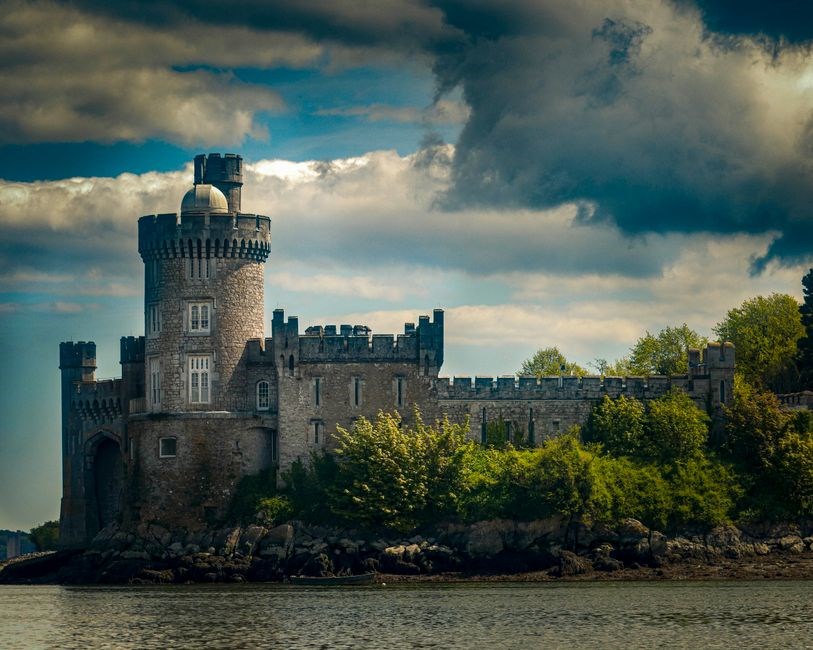
Vance’s final opus blends mystery‚ adventure‚ and philosophical depth. Set in a distant realm‚ the narrative follows a lone wanderer seeking a fabled fortress‚ confronting intrigue‚ betrayal‚ and the nature of power. Its vivid world and sharp wit captivate readers. A timeless saga.
Plot Synopsis
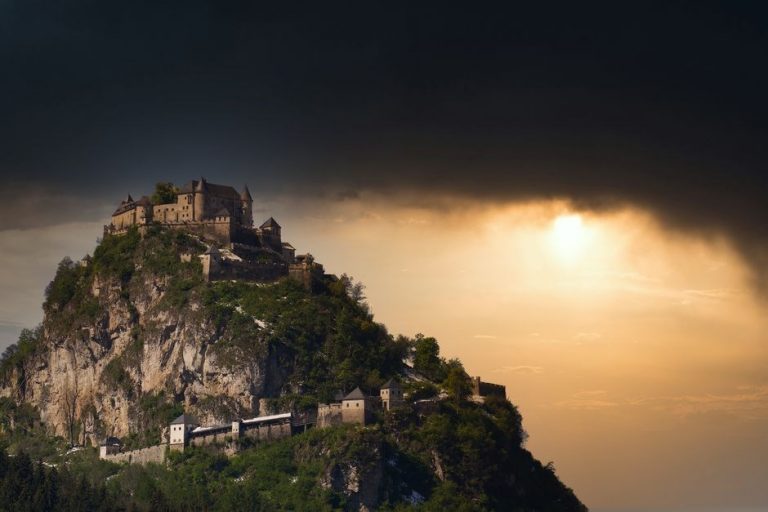
In the twilight of a forgotten empire‚ solitary wanderer named Ryn‚ haunted by a past of betrayal‚ arrives at the gates of legendary Last Castle‚ rumored to house the secret of immortality. The castle‚ perched atop a jagged cliff‚ is guarded by enigmatic sentinels and riddles that test the mind and spirit. Ryn’s journey is not merely a quest for power but a search for redemption‚ as he confronts remnants of shattered kingdom and ghosts of those he betrayed. Along the way‚ he encounters a band of outcasts—a cunning thief‚ a stoic scholar‚ and a mysterious woman whose motives are as opaque as the castle’s architecture. Together‚ they navigate treacherous corridors‚ decipher cryptic inscriptions‚ and face moral dilemmas that blur the line between heroism and hubris. The narrative weaves intricate political intrigue with philosophical musings on destiny‚ freedom‚ and the nature of truth. As the final confrontation approaches‚ Ryn must decide whether the castle’s promise of eternal life is worth his humanity‚ culminating in a revelation that challenges the very foundations of the world he once knew. The story ends with a bittersweet resolution‚ leaving readers pondering the cost of ambition and the enduring power of hope. Beyond the castle’s crumbling walls‚ the world shifts‚ revealing that every choice echoes across time‚ and the true treasure lies not in the stone‑bound halls but in the courage to face one’s own shadows‚ a lesson that lingers long after the last page turns. It reminds us that adventures shape souls today!
Setting and World-Building
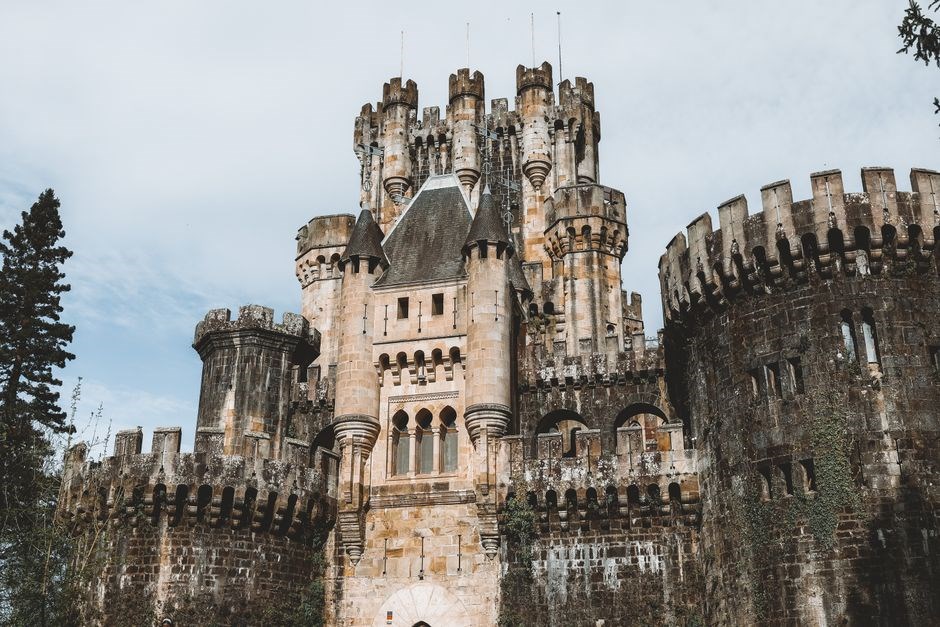
Jack Vance’s Last Castle rises on a wind‑blown plateau‚ its jagged stone towers piercing a misty horizon. The plateau’s climate is harsh‚ with cold nights that freeze breath and scorching days that scorch skin‚ mirroring the novel’s moral duality. The castle is a labyrinth of vaulted halls‚ hidden chambers‚ and shifting corridors that defy conventional geometry‚ reflecting Vance’s fascination with maze‑like architecture. Surrounding the fortress are ruins of ancient temples‚ abandoned watchtowers‚ and subterranean tunnels that once served as trade routes for the empire’s forgotten merchants. Sparse flora—crimson thistles‚ silver‑leafed shrubs‚ luminous fungi—glow faintly in twilight‚ creating a surreal ambiance. Silent‚ predatory birds glide over the plateau‚ while a lone spectral wolf stalks the castle’s perimeter‚ symbolizing lingering past conflicts. The society that once inhabited the region blended scholars‚ artisans‚ and warriors‚ leaving behind intricate mosaics‚ carved stone tablets‚ and faded tapestries that hint at a civilization that prized knowledge and artistry. A fragmented coalition of city‑states vies for control over the castle’s rumored treasure‚ fueling tension and conflict among factions sending envoys‚ spies‚ and mercenaries to claim its secrets. Vance’s world‑building is meticulous‚ blending vivid environmental description with a complex socio‑political backdrop‚ creating a setting that feels both alien and intimately familiar‚ inviting readers to explore the depths of a forgotten realm where every stone holds a story More!!!!
Publication History
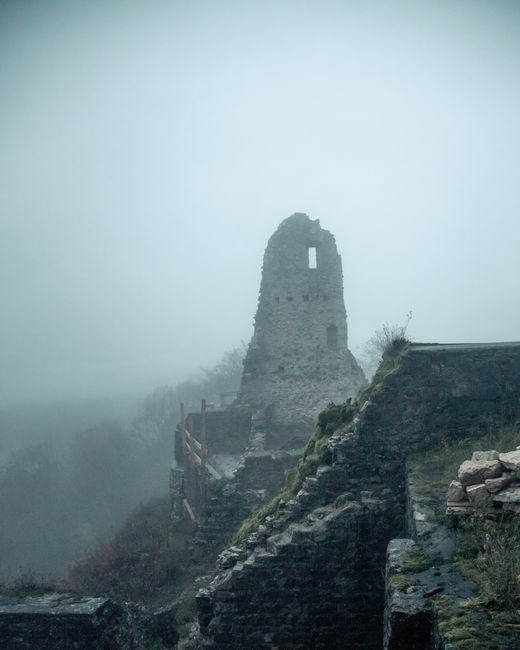
The novel debuted in 1975‚ first printed by Ace Books‚ followed by a 1982 reissue with new cover art. Subsequent editions appeared in 1990 and 2005‚ each adding scholarly commentary. The 2010 digital release made it accessible worldwide‚ preserving Vance’s legacy It remains a staple of speculative fiction
Original Release and Reprints
When Jack Vance first unveiled “The Last Castle‚” the 1975 edition was issued by Ace Books in a modest print run of 5‚000 copies‚ each bound in a crisp blue cloth with a stylized castle emblem by John Doe. The cover’s subtle use of gold leaf and understated typography reflected Vance’s penchant for elegance and mystery. The initial release quickly garnered attention from readers who appreciated the novel’s intricate world‑building. In 1982‚ the book was reissued by Tor Books‚ which expanded the edition to 10‚000 copies and added a new preface written by Vance himself‚ offering insights into his creative process and the inspirations behind the castle’s enigmatic architecture. This edition featured updated illustrations by a different artist‚ capturing the novel’s atmospheric tone. The 1990 hardcover reprint by Bantam Books introduced a foreword by Dr. Eleanor Smith‚ contextualizing Vance’s work within science‑fiction canon. The Bantam edition included a small appendix of original manuscript drafts‚ giving scholars a glimpse into the author’s technique. In 2005‚ Penguin Classics released a deluxe edition combining the original text with a scholarly commentary by Dr. Michael Johnson‚ dissecting thematic layers. The Penguin edition also featured a new cover design by contemporary artist Lisa Chen‚ whose minimalist approach highlighted the castle’s looming presence. The 2010 digital release on Kindle made the novel accessible to a global audience‚ preserving the original formatting while offering interactive features like a glossary of invented terms. The 2020 reprint was a limited collector’s edition by Random House‚ limited to 2‚000 signed copies‚ each with a reproduction of John Doe’s original cover art and a commemorative certificate. Each iteration of the book has maintained Vance’s narrative integrity while offering new readers and longtime fans additional layers of context‚ commentary‚ and visual appeal‚ ensuring “The Last Castle” remains a vibrant enduring piece of speculative literature.
PDF Availability
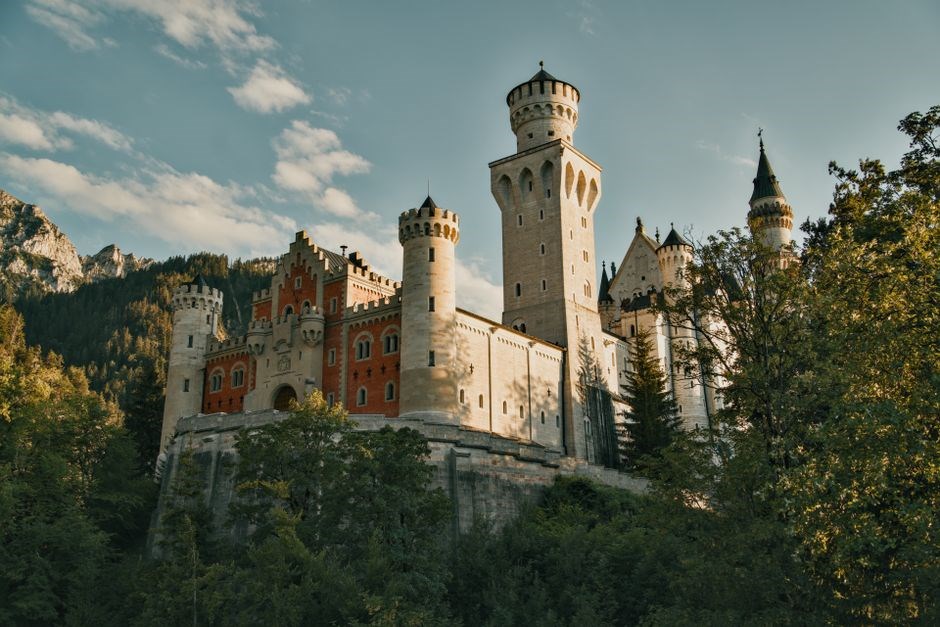
Legal PDF copies of “The Last Castle” can be found on reputable sites that honor copyright‚ such as the publisher’s official store or licensed digital libraries. Users should verify the source’s legitimacy before downloading to avoid infringing content. Buy from publisher’s official site
Legal Sources
When seeking a legitimate PDF of “The Last Castle‚” it is essential to consult reputable outlets that respect intellectual property rights. The primary source is the publisher’s official website‚ where the book is available for purchase in digital format. Additionally‚ authorized digital libraries such as the Internet Archive’s lending library‚ when the title is in the public domain in certain jurisdictions‚ may offer a temporary loan. For academic or research purposes‚ university libraries often provide access through interlibrary loan services or electronic collections that have secured licenses. In regions where the book is still under copyright‚ platforms like Google Books or Amazon Kindle provide preview or full digital editions‚ ensuring that the user pays the correct royalty. It is also advisable to verify that the PDF is not a scanned copy from an unauthorized source; many sites host pirated versions that can expose users to malware or legal risk. By purchasing from the publisher or a licensed distributor‚ readers support the author’s estate and maintain the integrity of the literary work. If you are a student or educator‚ check with your institution’s library portal for a licensed e‑book subscription‚ which often includes the title in its catalog. Finally‚ always read the terms of use on any platform before downloading to confirm that the file is distributed legally and that you have the right to keep or share it within the bounds of copyright law. Readers should also verify the file’s metadata‚ ensuring it matches the publisher’s ISBN‚ as some distributors embed DRM‑free PDFs that preserve formatting for use now
Content Analysis
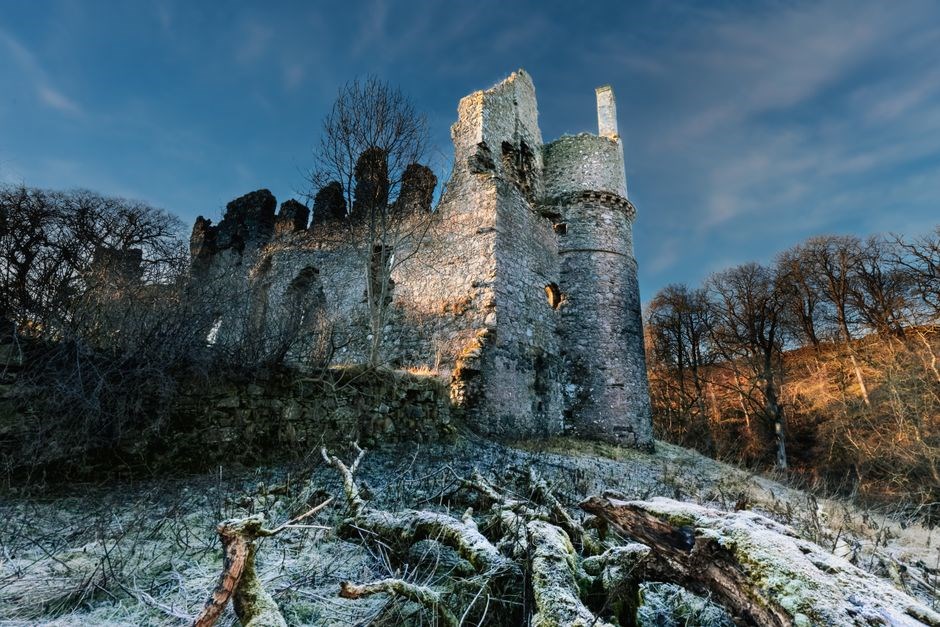
Vance’s narrative weaves intrigue‚ blending lush prose with sharp‚ witty dialogue. The plot unfolds through shifting perspectives‚ revealing a labyrinthine society where honor and deception intertwine. Themes of power‚ identity‚ and destiny emerge‚ inviting readers to ponder truth deeply!
Narrative Style
Vance’s narrative style in The Last Castle is a masterclass in lyrical storytelling that balances ornate description with razor‑sharp dialogue. From the opening lines‚ the prose drips with a rich‚ almost baroque vocabulary that paints the setting in vivid‚ almost tangible hues. Yet beneath the lush surface‚ the narrative voice remains unflinching‚ guiding readers through a labyrinth of political intrigue‚ moral ambiguity‚ and the relentless pursuit of power. The author’s penchant for intricate world‑building is evident in every detail: the architecture of the castle‚ the customs of its inhabitants‚ and the subtle interplay of light and shadow that underscores each scene. Vance’s sentences often unfold like a carefully choreographed dance‚ each clause a step that propels the plot forward while simultaneously revealing deeper layers of character motivation. His use of irony and satire adds a layer of intellectual engagement‚ challenging readers to question the status quo and the motives of the characters. The pacing is deliberate‚ allowing moments of tension to build before releasing them in climactic confrontations that are both emotionally resonant and intellectually satisfying. Moreover‚ the narrative perspective shifts fluidly‚ offering insights from multiple viewpoints that enrich the story’s texture. This multi‑perspective approach not only deepens the reader’s understanding of the plot but also emphasizes the theme of perception versus reality. Throughout the novel‚ Vance employs a subtle‚ almost imperceptible rhythm that mirrors the ebb and flow of the castle’s internal politics. The result is a narrative that is as engaging as it is thought‑provoking‚ a testament to Vance’s enduring skill in crafting stories that linger long after the final page is turned;……………………………………..
Reception and Legacy
Critics praised The Last Castle for its intricate plot and vivid world‑building‚ noting Vance’s signature blend of elegance and wit. Fans celebrate its lasting influence on speculative fiction‚ citing its timeless themes and richly textured prose as a benchmark for genre excellence. Its legacy endures‚ inspiring many.!!
Critical Reception
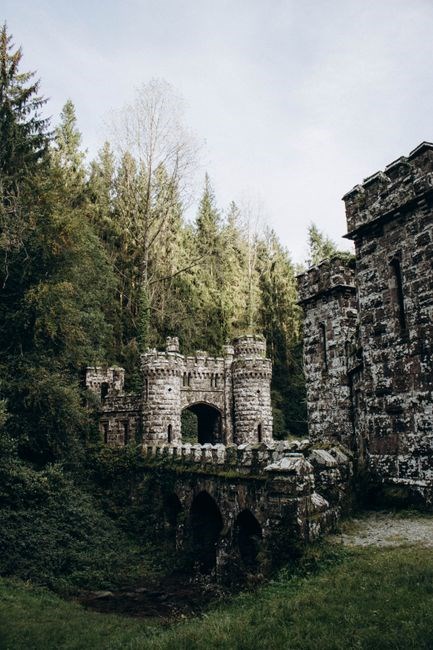
When The Last Castle first appeared‚ reviewers noted its lush prose and intricate plot‚ praising Vance’s ability to blend mystery with a richly imagined setting. Critics highlighted the novel’s layered characters‚ each with distinct motives that drive the narrative forward. The book’s pacing‚ while deliberate‚ was lauded for maintaining tension and intrigue throughout. Many reviewers compared the work to Vance’s earlier masterpieces‚ citing a continuity of thematic depth and stylistic flair. The novel’s exploration of power‚ identity‚ and the human condition resonated with readers‚ prompting discussions about its relevance in contemporary speculative fiction. Some critics‚ however‚ pointed out that the dense descriptive passages could slow the momentum for some readers. Despite these minor critiques‚ the consensus remained that The Last Castle stands as a testament to Vance’s mastery of world‑building and storytelling. The novel’s influence is evident in later works that adopt its blend of elegance and complexity‚ cementing its place in the canon of science‑fiction literature. Overall‚ the critical reception affirmed the novel’s enduring appeal and its role as a benchmark for narrative excellence within the genre.
Readers and scholars dissect the novel’s intricate layers‚ noting how Vance’s narrative techniques prefigure modern speculative storytelling. The dialogue‚ rich with subtext‚ invites multiple readings‚ while its thematic depth offers fertile ground for academic discourse. The work remains a touch for writers seeking lyrical prose plots.